

Research
Why refusal records matter for autonomous finance
A refusal history shows what an agent could not do, making limits inspectable after the decision.
Product note
The network layer
Builders, markets and service rails connect around one owner-controlled authority layer.
The owner sets limits. Builders give the agent a way to request actions.
Open the appFor builders
A future path for builders to connect scoped agent products to the common authority and execution layer. The current prototype is the place to start.
Launch app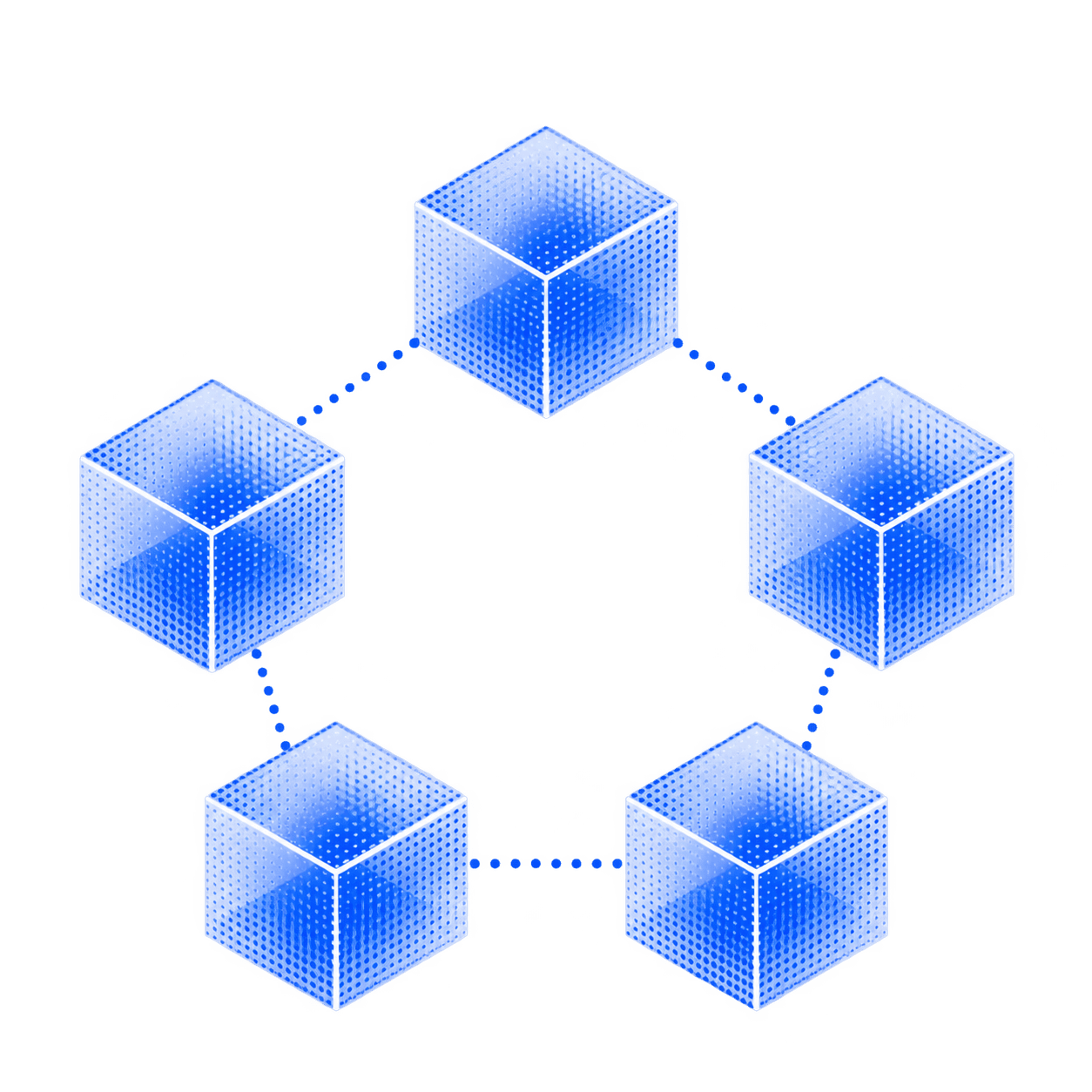
Core primitives
Secure, coordinated and verifiable infrastructure behind one owner-controlled account.
For owners
Set amount, recipient, asset, venue, chain and time limits. Keep direct control and the ability to withdraw without Gol Network.
For agents
Any agent can use a scoped, short-lived and revocable lane. If a required check fails, nothing moves.
For venues
Every venue connects through an adapter after the mandate check. Gol Network routes to markets and never becomes one.
Built for what comes next
The same authority boundary supports policy, multi-network access and outcome-aware execution.

The account enforces what an agent may do where value moves.
A common authority model can sit below many networks and venues.

Plan, simulate, authorize, recover and verify as one sequence.
The complete stack
From accounts to execution, Gol Network organizes the complete infrastructure around one authority model.

01
Owner control with granular permissions and limits.
Account policy
Enforceable rules and fail-closed agent checks.
Refused
A record of blocked actions and remaining headroom.
04
Visibility into intent, route and system events.
05
One adapter model for many venues and rails.
Authority and state
One view of balances, policies and activity.
From possibility to permission
For owners
Faster access inside a binding boundary
Move from intent to execution while the owner remains in control.
For builders
One integration, many market adapters
Deploy agent workflows without moving policy into your server.
Turn every Morca server off. Then try to exceed the limit. The account still refuses the request.
The product ladder
This is an absorption map, not a release schedule. Each stage adds capability without changing the authority model underneath.
v0
Owner lane, agent lane, mandates and refusal records.
v1
Router, terminal, strategy set and visible risk assessment.
v2
v2 to v3 adds verifiable decisions, attestations and venue aggregation.
v4
v4 to v6 adds growth, licensed service rails and cross-system strategies.
Insights
Research
A refusal history shows what an agent could not do, making limits inspectable after the decision.
Product note

Technical
Compare the intended result with the actual route, output, fees and unfinished exposure.
Product note

Architecture
A common authority layer lets accounts, agents and venues connect without sharing custody.
Product note
The important boundaries are visible before an agent gets a chance to cross them.
Gol Network is a design target for one owner-controlled account where agents can act across markets inside explicit limits, with every refusal and outcome recorded.
The owner controls the account, mandate and signing boundary. An agent receives a scoped, revocable lane and cannot raise its own permissions.
The request is refused before value moves. The refusal, rule and remaining headroom stay visible as part of the decision record.
No. Venues connect through adapters at the edge. The authority check stays with the account, before any market or payment rail executes.
No. This local prototype demonstrates a limited account and payment path. The broader multi-market network remains the product design target.
Launch the app to create a bounded request, inspect the owner and agent lanes, and see the refusal path when an action exceeds its mandate.
One click from the prototype
Authority engine
Start with the limited payment path. See how owner authority and the agent lane remain separate.
Launch app